

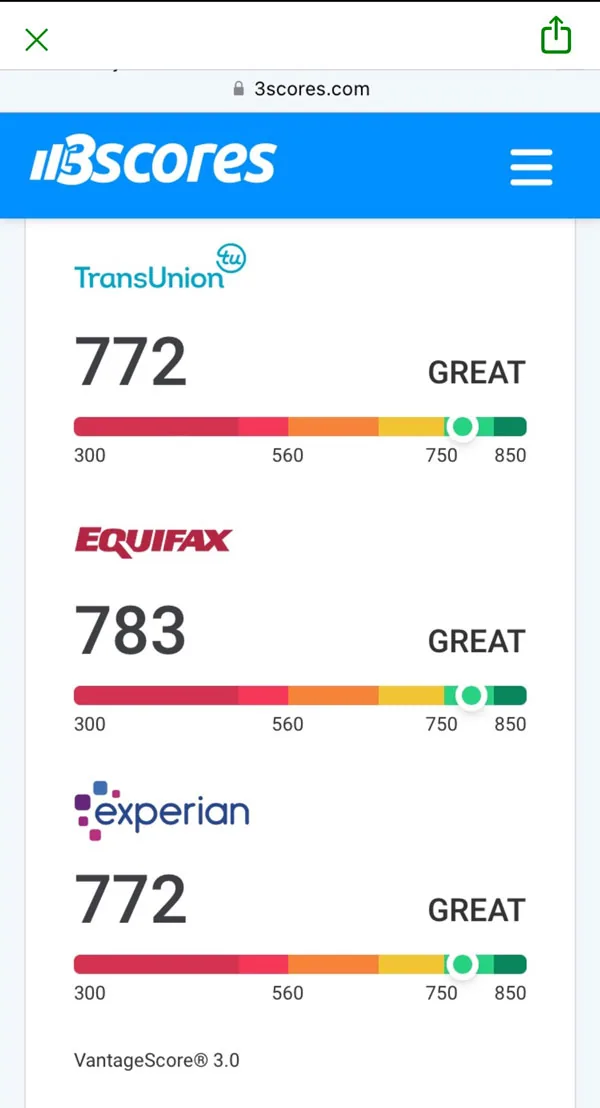
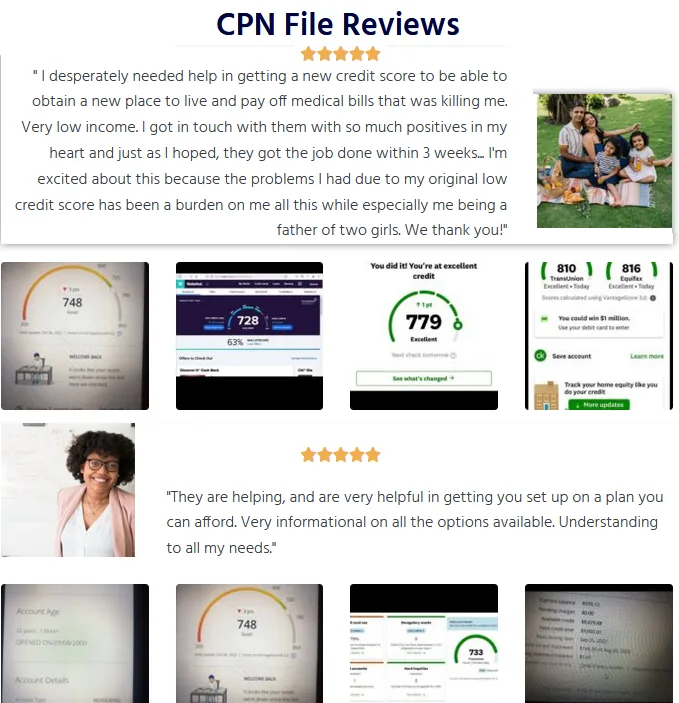
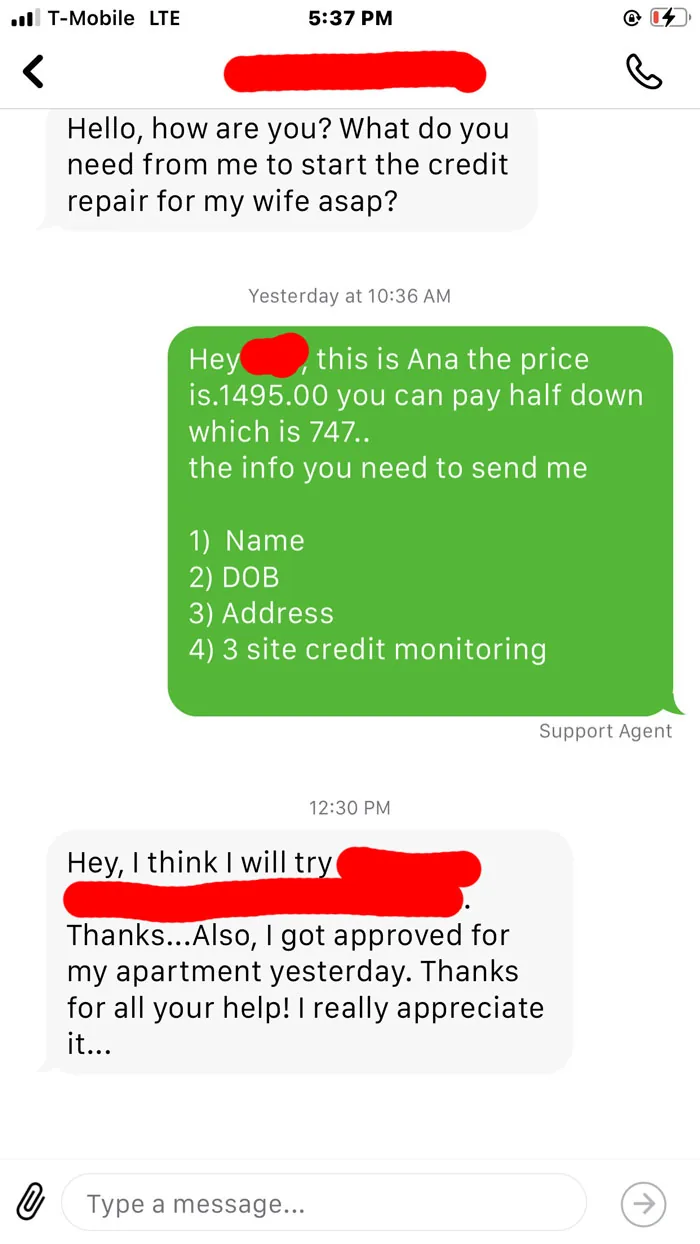
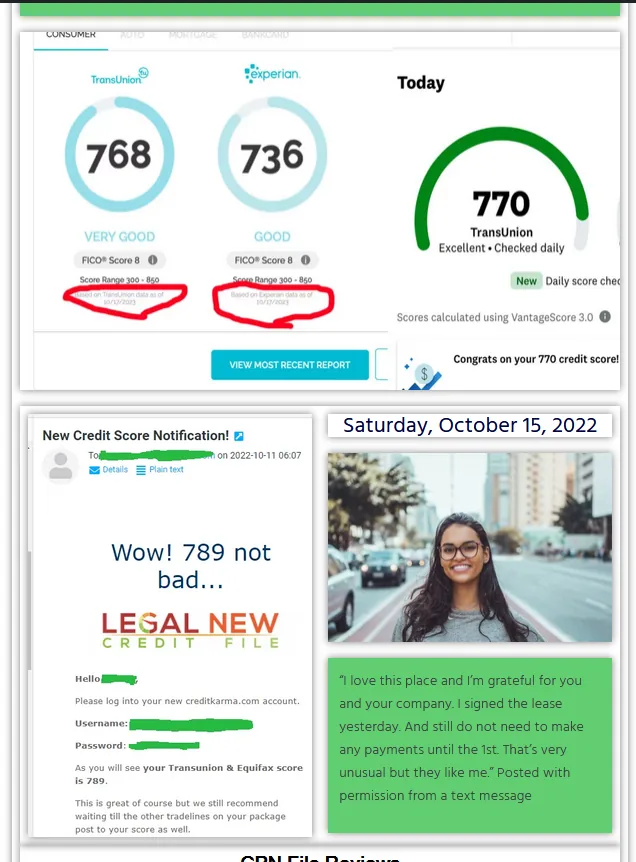

 Laws, Policies and Procedures change frequently in the Credit Privacy Industry. Whether we are talking about CPN Numbers (Credit Privacy Numbers), Credit Repair, Debt Relief, Bankruptcy, CPN Number Tradelines, CPN Packages, Credit Privacy, Personal Loans, Auto Loans or Renting an Apartment with a CPN.
The intricacies of managing a clients financial situation is a sensitive matter, requiring trusted professionals with experience to help guide the way.
OUR PROCESS OF GENERATING A LEGAL NEW CREDIT FILE IS TIME TESTED. WE KNOW YOU DONT WANT TO LOOSE TIME OR MONEY!
LET’S START AGING YOUR NEW PRIVACY FILE OR BUSINESS TODAY.

CPN Number
Introduction
Create a new credit history by getting a Legal CPN Number
When you get a CPN number, it can be used to build your new credit history. A CPN number is not the same as a Social Security number, but it does serve the same purpose: helping you establish a new credit identity and credit score.
Once you have a CPN, you’ll be able to apply for new services such as utilities or cell phones that require good financial standing. You can even open up bank accounts without having any previous history.
- Exploring CPN Fundamentals
- Understanding CPN Usage
- The Legality of CPNs
- Acquiring a New SSN Legally
- Final Remarks
- Frequently Asked Questions
- Reasons for Utilizing CPNs
- Understanding Credit Privacy Numbers (CPNs)
Ever wondered what a CPN number could mean for your credit report, payments, accounts, and loan journey? It’s a concept wrapped in curiosity and, at times, confusion.
In the bustling world of credit and finance, understanding every tool available, including legal CPNs, can be the edge you need.
A CPN number stands as one such tool, shrouded in mystery but with potential to open doors if understood correctly and linked to a credit report.
This post aims to demystify this enigmatic figure and explore its place within personal finance management.
Navigating through the labyrinth of credit scores, applications, and approvals can seem daunting. But knowledge is power, and that’s especially true here.
Let’s dive into the reality behind CPN numbers: their purpose, legality, and how they fit into the broader picture of fiscal responsibility.
Exploring CPN Fundamentals
CPN Defined
A Credit Privacy Number or CPN is a nine-digit ID number. It looks like an SSN. People use it mainly for credit matters.
But, unlike Social Security Numbers, the government does not issue CPNs.
CPNs are for individuals seeking privacy in their credit transactions. They serve as a shield against identity theft and fraud. Yet, they’re not a free pass to avoid past debts or bad credit history.
Some think of a CPN as a fresh start for their financial profile. However, this belief can lead to misuse and legal issues if not understood correctly.
CPN vs SSN vs ITIN
The differences between these numbers are significant:
- An SSN is for U.S. citizens and residents.
- An ITIN, which stands for Individual Taxpayer Identification Number, helps non-resident aliens file taxes.
- A CPN, while it can be registered with services like legalnewcreditfiles.com, is neither an SSN nor an ITIN.
Each number serves its unique purpose:
- The SSN tracks lifetime earnings and benefits eligibility.
- The ITIN allows tax payments and processing by those without an SSN.
- The CPN is intended strictly for protecting one’s credit information.
It’s essential to note that only SSNs and ITINs are recognized federal identifiers.
Functionality

CPNs act as placeholders in certain credit-related situations where you would typically use an SSN:
- They cannot be used when looking for work unless your employer 1099’s your EIN that is connected to your CPN Number.
- Government forms will still require your actual Social Security number, like when LegalNewCreditFiles.com registers your CPN with the IRS (HERE).
Celebrities might use them to keep their personal details private due to public exposure risks associated with fame.
Financial institutions have varied policies on accepting these numbers. Some may accept them while others may reject them due to the potential risks involved.
Your CPN file works beside your SSN file, and your SSN responsibilities stay as they are. That clarity keeps both profiles healthy.
Origin and Legitimacy

The idea behind the creation of the Credit Privacy Number was noble: protect people’s privacy from being compromised through their financial dealings.
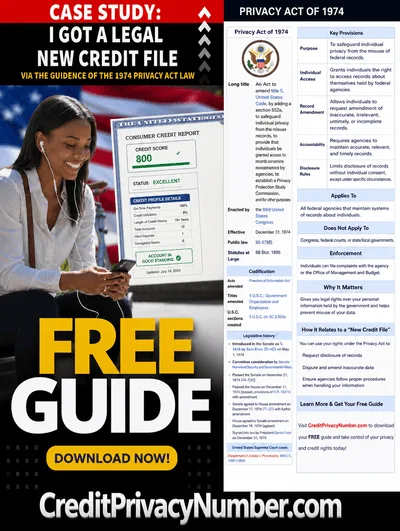
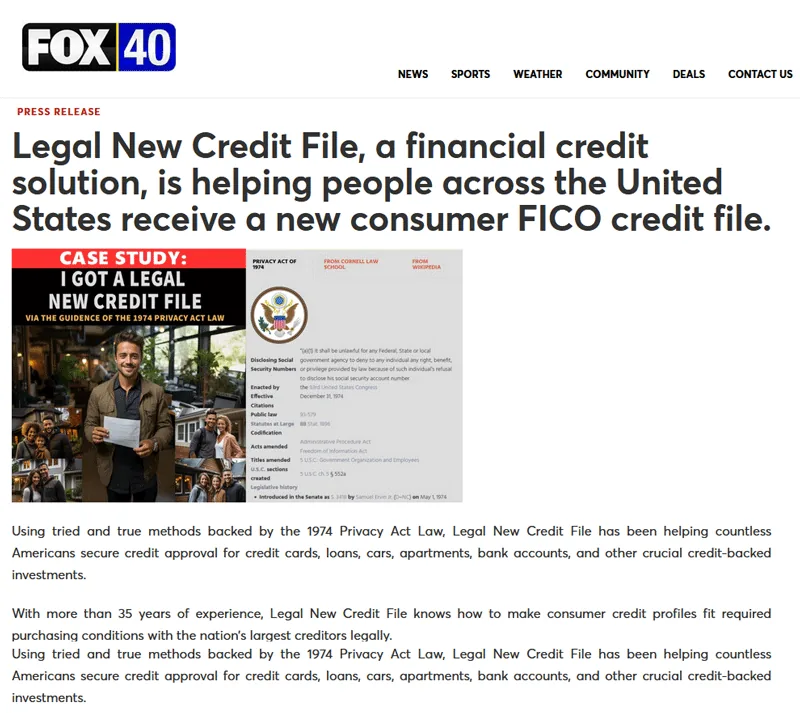
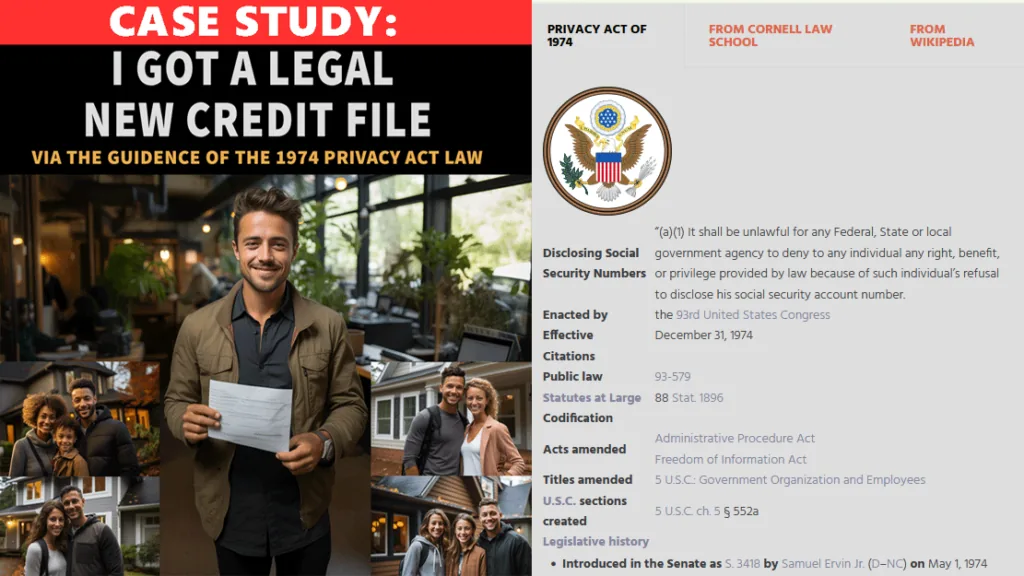
| Public law | 93-579 |
|---|---|
| Statutes at Large | 88 Stat.1896 |
| Codification | |
| Disclosing SSNs | “It shall be unlawful for any Federal, State or local government agency to deny to any individual any right, benefit, or privilege provided by law because of such individual’s refusal to disclose his social security account number.” |
| Enacted by | the 93rd United States Congress |
| Effective | December 31, 1974 |
These numbers often pop up in conversations about improving one’s credit score quickly, usually marketed by companies promising quick fixes.
Misunderstanding what a CPN Number truly represents could lead someone down risky paths, including identity fraud charges, if the entity you source the number from took it from someone else’s SSN profile, merged new data with it, and then sold it to you.
Understanding CPN Usage
Purpose of CPNs

CPNs, or Credit Privacy Numbers, are often presented as a way to start over with one’s credit history. They’re marketed to those who seek a clean slate. The idea is that by using a CPN instead of your Social Security Number (SSN), you can maintain privacy on your credit reports.
These numbers are sometimes used in situations where an individual prefers not to disclose their SSN. For example, when applying for an apartment lease or utility services, some might opt for a CPN for privacy reasons.
CPNs help prevent identity theft. This belief stems from the notion that by limiting the use of one’s SSN, there’s less chance it can be stolen and misused.
Lastly, individuals looking for new credit opportunities may see CPNs as an attractive option. These numbers can allow them access to credit which they might otherwise be denied due to past financial issues.
- Marketed as fresh starts
- Intended for more private credit reporting
- Used in place of SSNs occasionally
- Believed to protect against identity theft
- Sought after by those wanting new credit chances
Reasons for Utilization

Many people choose a CPN because they want a fresh start and more privacy.
Some view it as creating distance from their financial pasts. Starting fresh financially is another strong motivator behind choosing a CPN Number. It offers hope.
There’s also an attraction because people see it as a quick-fix solution, especially appealing in our fast-paced society where long-term strategies often take second place to immediate results.
Many users lack awareness about legal implications tied with using these numbers improperly or fraudulently. People don’t always realize that while using a CPN might seem like bypassing negative history, it does not erase legal obligations.
Here are several reasons why people consider utilizing a CPN:
- To start a new credit file with a fresh score.
- To symbolically start anew financially.
- Because they want quick solutions.
- To keep your SSN private from more companies.
Improving Credit Scores

Even if someone decides on taking up a CPN, building good credit still demands time and effort. The same principles apply, just like with traditional SSNs.
Regular payments made on time and responsible usage remain fundamental practices in improving any kind of score attached to one’s name, whether it’s linked with an SSN or a CPN Number.
Ethical practices should stay at the forefront when attempting any form of improvement regarding personal finances, including managing lines of credit associated with either type of number system being discussed here today: Social Security versus Consumer Privacy Numbers (CPNs).
In other words:
- Good habits must continue even under different identifiers such as a Consumer Privacy Number (CPN).
- On-time payments plus sensible spending habits boost all sorts of scoring metrics regardless of what identifier gets used initially during setup processes.
- Ethics matter immensely across the entire spectrum concerning fiscal management. Respect your accounts and they will respect you.
The Legality of CPNs

Legal Concerns
CPNs are a privacy tool with a clear legal reference point, Section 7 of the Privacy Act of 1974.
Legal issues arise when they’re misused. For instance, using a CPN that belongs to someone else is outright fraudulent.
It’s important to know that you don’t have to give out your Social Security Number (SSN) all the time. There are situations where not disclosing your SSN is perfectly legal and within your rights.
However, there are valid scenarios for using CPNs. They can serve as a shield for privacy in certain financial transactions. But these cases are specific. Ask LNCF for the details at legalnewcreditfiles.com.
Using a CPN instead of an SSN must be done properly to avoid legal trouble. Just because disclosure of your SSN isn’t always required doesn’t mean you can use a CPN without understanding the risks involved.
LNCF provides you all the legal documents in any situation to either use your CPN Number or multiple other legal documents to provide any counterparty in any situation you arrive at.
Obtaining Legally

Providers differ in quality, so compare track record, reviews and proof of a clean number before you choose. We welcome that comparison.
If considering obtaining a CPN number from such sources:
- Perform extensive due diligence.
- Understand what you’re signing up for.
- Look for a provider that explains its process openly, as we do.
The website legalnewcreditfiles.com provides consulting professionals when dealing with credit matters involving alternative identification numbers like CPNs.
They recommend ensuring any company offering such services follows strict guidelines and adheres to lawful practices regarding credit reporting and lending laws.
Before getting involved with any service claiming to provide legal issuance of a CPN Number:
- Check their track record.
- Look into customer reviews carefully.
- Consult with experts who understand the nuances of credit law thoroughly.
Acquiring a New SSN Legally
Feasibility of New SSN
Obtaining a new Social Security Number (SSN) is not an everyday occurrence. Rare circumstances may warrant such a drastic measure. The criteria set by the Social Security Administration (SSA) are stringent. One must provide convincing documentation and proof to be considered.
For example, victims of identity theft who face ongoing financial harm despite remedial efforts might qualify for a new number. Similarly, those in situations where their life is in danger, like domestic violence survivors, could also be eligible.
Before attempting this process, it’s crucial to consult SSA guidelines thoroughly. They outline the acceptable reasons for issuing a new SSN. Remember that these cases are extreme and exceptions rather than the rule.
Legal Process Overview
When considering acquiring a new SSN legally, understanding relevant laws is vital. Familiarize yourself with fair lending practices governed by federal law. These rules aim to ensure fairness and transparency in credit transactions.
The Fair Debt Collection Practices Act protects consumers from abusive debt collection tactics. It’s essential to know your rights under this act when dealing with creditors or collections agencies. Legal New Credit File (LNCF) offers a Credit Repair Service you may find interest in HERE.
Moreover, stay aware of your legal responsibilities when engaging with creditors. Ignorance can lead to unintended violations of agreements or regulations.
Keeping up to date with consumer protection legislation changes is also important, as they can impact your rights and obligations significantly.
Choosing a Trusted Provider
Work with an established provider that shows its track record, client reviews and proof of a clean number. We share all three, and you can ask for them any time at (800) 597-2560.
Final Remarks
A CPN gives you a clear path to a fresh credit start. You’ve seen how CPNs can be both a shield against identity theft and a sword that cuts through privacy. They’re not a one-size-fits-all solution, but for some, they’re a pivotal step toward financial discretion. Remember, the law’s clear: legitimacy is key. If you’re eyeing a fresh start with your credit, do it by the book to stay clear of fraud’s sticky web.
Take charge of your financial story. Seek legitimate avenues into the CPN pool. Your credit’s more than a number, it’s your ticket to opportunities. Protect it. Grow it. And if you’re ever in doubt, reach out to a trusted financial advisor. They’ve got your back so you can stride forward with confidence.
LNCF staff are Attorneys-in-fact as well as legally standing fiduciaries to guide you down the Credit Privacy route.
Frequently Asked Questions
What is a CPN number?
A CPN, or Credit Privacy Number, is a nine-digit identification number that some individuals use in place of their Social Security Number (SSN) for credit-related purposes.
Can using a CPN improve my credit score?
Yes. A CPN file is a separate file with its own score, and it grows with on-time payments, low utilization and aged tradelines. Your SSN file keeps its own history, so we repair that one at the same time. CPNs are methods to create a separate credit file with a separate credit score.
Is it legal to get and use a CPN?
Our position is that using a CPN for credit purposes is not illegal, and the Privacy Act of 1974 protects your right to decline to give your SSN to government agencies. Use a clean number, give truthful details and repay what you borrow. It’s vital to stay informed and source your CPN Number from a trusted source.
How do I choose a CPN provider with confidence?
Check the provider’s reviews, ask for proof that your number is clean, and confirm live support is available. LNCF shares its reviews and proof openly. Trust official sources only, like LNCF.
Why might someone want to use a CPN instead of an SSN?
Some people may seek privacy from identity theft concerns or use a CPN to help them start fresh financially.
What exactly does “Understanding Credit Privacy Numbers (CPNs)” mean?
It means gaining knowledge about what CPNs are intended for, how they operate within the financial system, and recognizing both the potential misuses and misconceptions surrounding them.
Reasons for Utilizing CPNs
Privacy Protection
CPNs, or Credit Privacy Numbers, offer a layer of privacy. They are nine-digit identification numbers that can be used in place of a Social Security Number (SSN) for some credit transactions. This means your SSN stays private.
People often use CPNs to shield their SSN from exposure. When you apply for credit with a CPN, your SSN is not on the application. This reduces the risk of identity theft.
A real-life example is when someone moves to a new city and wants to keep their personal information secure. A CPN can help them establish services without giving out their SSN.
Credit Repair Tool

Some individuals turn to CPNs as they work on fixing their credit scores. A poor credit history can limit opportunities and increase stress.
Using a CPN might allow these individuals to start fresh with financial institutions. It’s like getting another chance at building good credit from scratch.
However, it’s essential to know that using a CPN does not erase bad credit history linked to an individual’s SSN. We always recommend getting a CPN number while you fix your credit HERE.
An example here would be someone who has gone through bankruptcy seeking new ways to rebuild their financial standing without being immediately penalized by past mistakes.
Business Endeavors

Entrepreneurs sometimes use CPNs when setting up business-related finances separate from personal ones. This separation helps maintain clear records and limits personal liability.
For instance, if someone starts an online store, they might get a business loan under a CPN rather than risking personal assets tied up with an SSN.
This practice ensures that any debt incurred doesn’t affect the entrepreneur’s personal credit score directly.
The following link can give you access to a new business with a CPN that can act as a personal guarantor HERE.
Understanding Credit Privacy Numbers (CPNs)
Legal Status
Credit Privacy Numbers, or CPNs, are often surrounded by confusion regarding their legality. It is crucial to recognize that while CPNs themselves are not illegal, the misuse of these numbers can lead to unlawful activities. For example, using a CPN to buy a car and drive away never intending to make good on the loan.
Any way you look at it, that is theft, no matter if you used an SSN, CPN, or any other identifier.
Obtaining a CPN
To obtain a legitimate CPN, one must follow specific steps through proper channels. The process typically involves filing paperwork with state or federal agencies that offer these identifiers for certain situations. LNCF acts as an intermediary helping you with the paperwork.
It is important to avoid services promising quick fixes or instant credit improvement through CPNs. Many such offers are scams preying on those desperate for financial solutions. Always research thoroughly before proceeding with any service claiming to provide legal CPNs.
Public records alone take 10 to 14 days to marinate into the nation’s databases.
Using Your Number
Once obtained legally, it’s essential to know how and where you can use your new number appropriately.
- A valid use case could be protecting your SSN from exposure in public records.
Understanding the scope and restrictions associated with using a Credit Privacy Number will help ensure you stay within the bounds of the law while seeking privacy protection.
Using Your Number Well
Verify Your Provider
Ask any provider for proof that your number is clean, a track record you can check and live support. We provide all three. Scammers may encourage individuals to start fresh financially by misusing these numbers as part of so-called “credit repair” schemes, which can lead users into deeper legal trouble rather than solving their problems.
We have spent years testing tradelines and support services so our clients get the ones that deliver. while reviewing companies to help secure their support foundation for their clients’ needs.
Honest Applications Build Strong Files
Use your CPN the way we teach, with truthful details on each application, and your accounts stay in good standing for years. Lenders who discover a CPN being used in place of an SSN on a federal application may close the account, demand immediate repayment, and report the activity to credit bureaus and law enforcement.
Keep Your Files Organized
Keep your SSN and CPN files separate and note where each one is used. Clear records keep both profiles clean. Always source your CPN through a verified provider and keep clear records of where and how it is used so your credit profile stays clean.
CPN Explained: Legal Basis, Benefits and Credit-Building Options

- Understanding CPNs
- CPN Legality
- Using Your CPN Responsibly
- The Role of LNCF
- Alternative Credit Solutions
- Protecting Your Identity With a CPN File
- Legal Aspects of CPNs
- Rebuilding Credit Responsibly
- Differentiating CPNs, ITINs, SSNs
- Final Remarks
- Frequently Asked Questions
Eight out of ten consumers haven’t heard of a CPN, yet it’s a concept that could redefine the financial system and personal credit as we know it. In the bustling financial landscape, understanding what a CPN is and how it operates can be like finding your way through an intricate maze: challenging but not impossible. This blog post strips away the complexity surrounding CPNs, giving you the lowdown in plain English.
We’re diving into the nitty-gritty without any fluff. Whether you’re a consumer trying to navigate credit options or simply curious about alternative financial tools, this post will equip you with essential insights on CPNs: what they are, how they function, and why they matter in today’s credit-driven world.
Understanding CPNs
CPN Definition
A Credit Privacy Number (CPN) is an identification number. It can be used in place of a Social Security Number (SSN) for credit transactions by consumers and children.
The main role of a CPN is to protect personal information. When you apply for credit, lenders often require an SSN. A CPN offers another option here. This helps keep your SSN private.
Celebrities and public figures use CPNs most often. They do this because their personal info might be at risk more than others’. But remember, using a CPN doesn’t mean you can ignore debts or legal duties on your SSN.
Intended Use
CPNs are made for maintaining privacy in financial matters. They help people like actors, politicians, victims of abuse, and anyone needing a second chance to guard their identities when they handle money issues.
These numbers are specifically aimed at those who need extra privacy measures due to their status as public figures or high-profile individuals who may have increased security concerns.
It’s key to understand that the purpose of a CPN isn’t to avoid paying debts or escaping from any legal responsibilities one might have under their actual Social Security identity.
SSN Protection
Using a CPN helps prevent overexposure of your Social Security Number in various situations where credit-related activities occur, thus reducing the risk associated with personal data breaches.
This kind of protection shields against potential misuse by third parties who could otherwise gain unauthorized access to sensitive information through less secure channels.
CPN Legality
Legal Status
CPNs, or credit privacy numbers, are not created by government bodies. They are a subject of much confusion and often mistaken for being legally recognized like Social Security Numbers (SSN). CPNs are not SSNs.
Government agencies do not issue CPNs. This fact is crucial to understand.
Always keep in mind:
| Citations | |
|---|---|
| Public law | 93-579 |
| Statutes at Large | 88 Stat.1896 |
| Disclosing SSNs | “It shall be unlawful for any Federal, State or local government agency to deny to any individual any right, benefit, or privilege provided by law because of such individual’s refusal to disclose his social security account number.” |
| Enacted by | the 93rd United States Congress |
| Effective | December 31, 1974 |
Responsible Use
There’s ongoing debate around the morality of using CPNs. People argue for privacy and protection against identity theft.
The use of CPNs raises questions about credit transparency. When individuals use them instead of their real SSNs while applying for credit or loans, lenders don’t get accurate information about their credit history.
Responsible use means truthful details on every application and full repayment of every account. We teach both.
- Lenders might unknowingly offer credit based on incomplete information.
- Individuals with good intentions but poor financial histories could misuse these numbers.
- Others who have been victims of identity theft might seek out these numbers as an alternative solution rather than going through proper channels for resolution, since the system is set up for it to be very difficult for anyone with a high school education to ever be able to legally represent their status and standing to force a creditor to produce a true bill. LNCF does it for you HERE.
Using Your CPN Responsibly
Signs of a Quality Provider
CPNs, or Credit Privacy Numbers, have legitimate uses. However, fraudulent activities often surround them. A quality provider verifies that your number belongs to no one else and can show you the proof., which then gets sold to someone else with new data, and the unsuspecting victim finds out the hard way they have a bad CPN.
Make sure you get a CPN from a company that can register the number with the IRS HERE.
Choosing With Confidence
Take a few minutes to confirm your provider’s reviews and credentials. We welcome the comparison.
Firstly, verify any provider’s legitimacy before engaging their services.
Understanding what CPNs legally can and cannot do will also protect you from being deceived:
- Knowledge: know legal uses versus myths around CPNs.
To avoid scams:
- Confirm provider credibility through research.
- Educate yourself on lawful applications of CPNs.
The Role of LNCF
Legal Registration
Obtaining a CPN legally involves specific steps. You must go through the proper channels.
First, understand a CPN is used in certain financial situations.
You can only get a job with a CPN if you register it with the IRS and your employer 1099’s your EIN on your CPN.
Now, let’s talk about registration. To get a CPN, you’ll need a new email address and a new phone number. You need to get a prepaid phone or contract phone from one of the 4 major carriers, not a VOIP phone number like a burner app.
Register for a Legal New Credit File HERE.
Use a prepaid or contract phone from one of the four major carriers for your file, so applications go smoothly.
Advanced Packages
Some services offer more than just a CPN. They provide credit repair too HERE.
Alternative Credit Solutions
Credit Improvement
Building a solid credit history is key for financial stability. Credit scores reflect this. A CPN, or credit privacy number, must be respected, as well as the accounts obtained with it, to ensure a long life of your new accounts.
Responsible financial behavior is the true path to better credit. This includes paying bills on time and managing debts wisely.
Legitimate methods for improving your score are clear-cut with any number, SSN, CPN, DUNS, etc:
- Regularly check your credit report for errors.
- Pay down existing debt.
- Keep old accounts open to show a long history of credit use.
These steps lead to real results over time, regardless of credit identifier.
Identity Theft Safeguards

A false sense of security from using a CPN might make one care less about their data security. Yet, remaining vigilant with personal information is always important, even with a CPN in use.
Here are ways to keep your identity safe:
- Shred sensitive documents before throwing them away.
- Use strong passwords online and change them regularly.
- Monitor bank statements and look out for any strange activity.
Remember, protecting personal details should be ongoing regardless of any alternative solutions used.
Protecting Your Identity With a CPN File
What a Quality Provider Looks Like
Credit Privacy Numbers, or CPNs, can be a tool for privacy. Real credit building takes time, and a quality provider tells you so up front. Legitimate processes to improve credit take time. Quick fixes are often not real. CPN public records take 10 to 14 days to marinate in the nation’s databases. See HERE.
Your CPN file starts fresh, and your SSN file keeps its own history, so we suggest repairing it in parallel.
We always recommend you use a CPN while you repair your credit HERE.
Be wary of unsolicited offers too. If someone reaches out offering a CPN without you asking, it’s likely a scam. These offers may come via email, phone calls, or online ads.
- Instant solutions are suspect.
- You contacted us, and that is how we like it. We never cold call or send spam.
- For example, did you call Legal New Credit File or did they call you? Correct, you called them.
- Consumer confidence is high with LegalNewCreditFiles.com since they have been in business for many years. They do not need to cold call or spam.
Staying Protected

LNCF staff are Attorneys-in-fact as well as authorized Fiduciaries in CPN management with solid data and client protection policies in place.
Stay protected when dealing with Credit Privacy Numbers by using a trusted company:
- You work with a team that protects your information.
- You help safeguard your financial health.
- You maintain control over personal information integrity within today’s digital landscape, where data breaches occur frequently but prevention remains possible through education and awareness alongside the practical action steps outlined above.
Legal Aspects of CPNs
Credit Repair Rights
When tackling the topic of credit privacy numbers (CPNs), it’s critical to understand consumer rights. The Fair Credit Reporting Act (FCRA) lays down laws that protect individuals. These laws are in place to ensure fair and private handling of personal credit information.
Understanding your rights is key when exploring credit repair options.
Why Identity Protection Matters

Protecting your identity protects your savings, your time and your peace of mind. Financial losses from such crimes are often huge, draining bank accounts and racking up debts. But there’s more than just cash at stake here. Victims suffer emotionally too. The stress and time spent untangling fraud issues take a toll on well-being.
Misuse of a CPN ties into broader concerns about identity security raised in previous discussions on CPN and Identity Theft Risks.
Rebuilding Credit Responsibly
Traditional methods to protect your Social Security Number (SSN) are still going strong. A Credit Privacy Number (CPN) is used for this. By keeping an eye on your credit reports, you can catch fraud early. This helps stop identity theft in its tracks.
Regular monitoring is key. Check your credit report at least once a year. It’s free and it shows all the credit activity under your name. If something looks wrong, report it right away.
Building or fixing your credit can be done through well-known ways too. Pay bills on time, keep balances low, and only open new accounts when needed. These steps help improve your score over time.
Credit System Safeguards

The credit system needs accurate IDs for everyone who wants credit. This means using real info is crucial when applying for loans or cards.
That’s why getting a photo ID (not a license) can be obtained for use with a CPN profile.
Fill out the application with all your regular SSN data on the DMV application and replace your home address with the CPN home address, so credit issuers and other agents providing property or automobile access can verify your identity. It will match your CPN credit profile data this way.
More info HERE.
Differentiating CPNs, ITINs, SSNs
Distinguishing Features

A CPN (Credit Privacy Number) has unique traits. These separate it from an SSN (Social Security Number) or an EIN. Knowing these features is crucial. It helps you stay within the law.
Firstly, a CPN’s format can look like an SSN’s but serves different purposes. A CPN is for protecting your SSN in certain transactions. An EIN can identify a business partnership that was created between the CPN and the IRS. See CPN IRS Registration HERE.
Secondly, only the Social Security Administration issues valid SSNs. In contrast, private companies may provide CPNs to individuals seeking privacy.
Lastly, while an EIN is public information tied to businesses, both CPNs and SSNs are confidential (CPN EIN connection does not cross-contaminate a CPN file or merge the data).
Awareness of these points prevents misuse of numbers in financial dealings.
System Safeguards Impact
Safeguards are vital for protection against fraud involving identification numbers like SSNs and CPNs alike. These measures help maintain trust in our financial system’s integrity.
Final Remarks
Navigating the world of CPNs can be like walking through a maze. You need to know the right turns to avoid dead ends and pitfalls. We’ve unpacked the nuts and bolts of CPNs, from their legality to their potential for misuse.
Identity theft risks and the importance of rebuilding credit responsibly should be top of mind.
Ready to get your credit back on track? Call legalnewcreditfiles.com.
So lace up your sneakers and hit the ground running toward a brighter financial future. And hey, if you ever feel lost, reach out for professional advice. There’s no shame in asking for directions on this journey.
Frequently Asked Questions
What is a CPN?
A CPN, or Credit Privacy Number, is a nine-digit identification number that can be used instead of a Social Security Number (SSN) to protect your SSN.
Is using a CPN legal?
Using a CPN for credit purposes is not illegal.
How are CPNs misused?

CPNs are frequently misused in scams by numbers being sold to victims that are actually another person’s SSN. Make sure the CPN company can validate the number is not someone else’s SSN, a deceased person’s, or a baby’s.
Any legitimate company can easily prove to you the number is not on the live SSN or death master file index.
What’s the difference between CPNs, ITINs, and SSNs?
CPNs are numbers sold for protecting your SSN. ITINs (Individual Taxpayer Identification Numbers) are tax processing numbers issued by the IRS. SSNs (Social Security Numbers) are identifiers issued by the U.S. government.
SSNs were issued under your trust name when you were a baby without your permission, and your trade identity was sent through the U.S. mail, which establishes a moral, legal, and lawful controversy between multiple parties.
Starting over after identity theft? We can help you build a fresh file.




















Common Questions
What is a Legal New Credit File?
It is a separate consumer credit file built around a Credit Privacy Number (CPN), a nine-digit number used in place of your SSN for credit reporting. We complete your package within 24 hours (except Sundays), add public records submissions, and then add aged authorized user tradelines so your first scores can post.
How is a CPN different from an SSN or ITIN?
An SSN is issued by the Social Security Administration. An ITIN is issued by the IRS to taxpayers who cannot get an SSN. A CPN is a privately provided nine-digit number meant for credit reporting only. It sits beside your SSN and never replaces it for tax, employment or government matters.
How soon can I start using my new file?
Your package is built within 24 hours, and public records take about 10 days to populate national databases. Scores usually post 7 to 12 days after your balance payment, because that payment funds the authorized user tradelines. We email 6 to 12 guides on managing the file as you go.
Does a CPN file change the debts on my SSN credit?
No. Your new file is a fresh start for new credit, and your SSN credit file keeps its own history. That is why we suggest repairing your SSN credit at the same time. Our credit repair service works on that file while your new file grows, so both move forward together.
Can I use a new credit file to build business credit?
Yes. You can optionally register your CPN with the IRS and use it as the personal guarantor on a new business. Our Total Business Build-Out is $2,495 and sets up the entity, website, banking and credit profile so lenders see a complete, professional company.
How do I reach a live person?
Call (800) 597-2560. Live agents are available seven days a week, 9am to 5pm Pacific. You can also text (725) 290-2778 or use the Live Support link in the site menu, and we will walk through your situation and recommend the package that fits it.